
Project Surya — February Operating & Distribution Report

Overview
Reporting Period: Jan 20th - Feb 20th 2026
This report summarizes the second tranche of distributions for Project Surya and reflects the first normalized 30-day operating cycle following initial commissioning.
The first tranche covered approximately 40 days of staggered deployment. This second cycle represents a standardized monthly reporting period and provides a clearer baseline for ongoing asset performance.
Operating Performance Summary
Gross Revenue: $5,440
Electricity & Operational Costs: $2,315
Net Revenue Generated: $3,125
All figures converted from INR to USD for reporting consistency.
This cycle reflects:
- Normalized 30-day revenue reporting
- Stabilized cost allocation
- Cleaner unit economics for comparability
While gross revenue was lower than the extended first tranche period (40 days), the data now reflects a true monthly operating baseline.
Distribution Breakdown
Net revenue of $3,125 was allocated as follows:
Investor Share: $1,875
Operator (DeCharge): $937
ReFi Hub Platform: $313
The investor allocation reflects the agreed revenue participation structure under the listing terms.
Investor Snapshot:
Total Capital Invested: $150,000
Current Month Earnings: $1,875
Cumulative Earnings to Date: $4,874
Returns may vary based on:
- Initial commissioning ramp
- Monthly utilization levels
Energy Throughput & Utilization
Total Energy Dispensed: 20,245 kWh
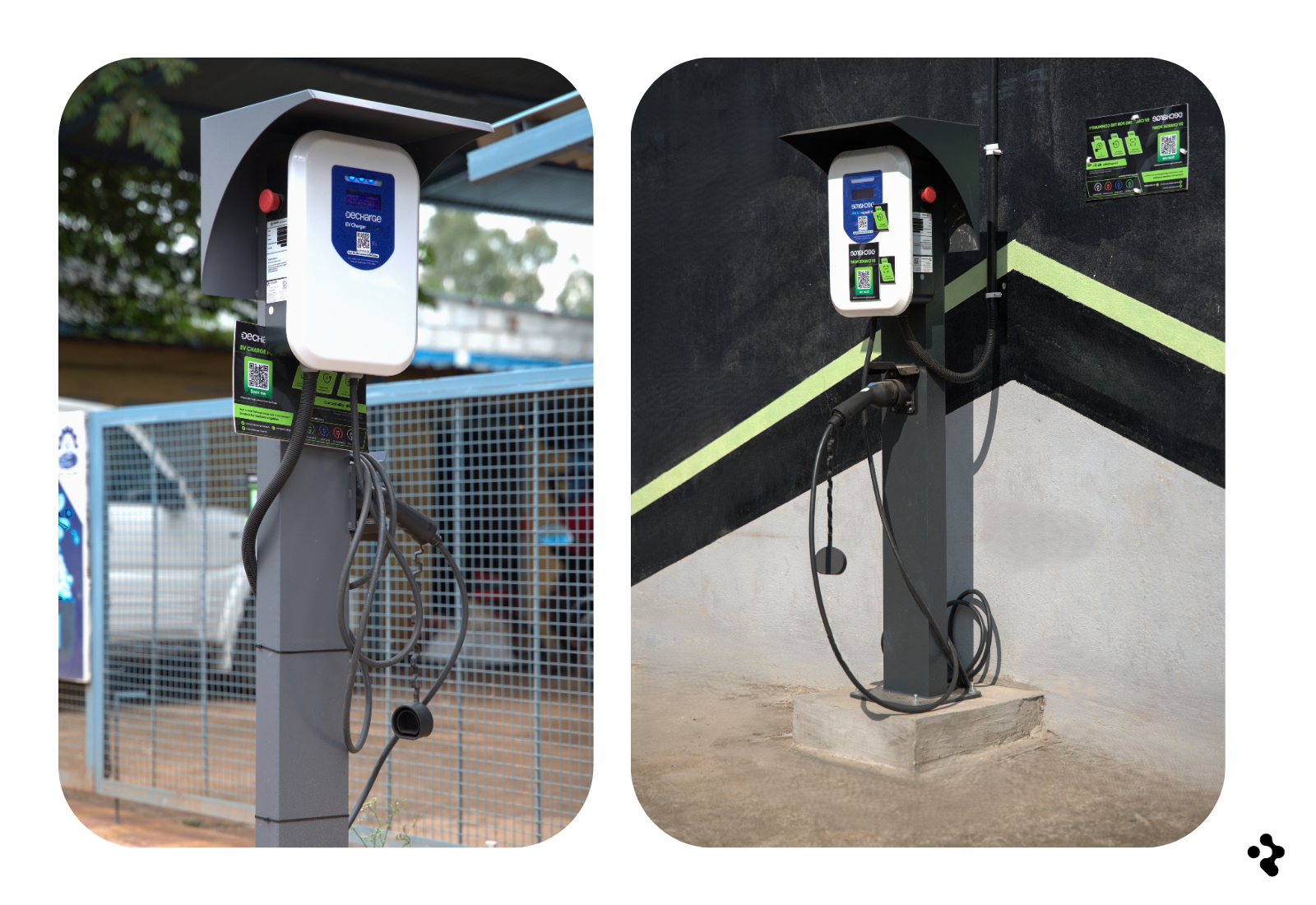
Coverage includes both DC and AC charging infrastructure.
This level of throughput supports margin stability and indicates consistent charger utilization across the network.
ReFi Hub is actively working with DeCharge on enhancing data tracking capabilities and API transparency to provide investors with real-time access to performance metrics and operational data.
Unit Economics
Average Selling Price per kWh: $0.269
Electricity & Operating Cost per kWh: $0.172
Net Revenue per kWh: $0.154
Net revenue per kWh remains consistent with the first tranche at $0.154, indicating:
- Stable pricing power
- Controlled operating costs
- Preserved gross margin structure
Margin stability during a normalized reporting cycle is a constructive operational signal.
Closing Notes
This tranche marks the first full standardized monthly cycle for Project Surya.
The key signal is not short-term variability, but:
- Stable per-unit margins
- Completed commissioning
- Predictable revenue allocation mechanics
- Consistent throughput reporting
As always, performance remains dependent on operational realities, utilization patterns, and market conditions.
Related posts
Project Surya — February Operating & Distribution Report

Business Due Diligence Framework